The 10 Most Beautiful Places & Sights in Malta
Last updated: 10 February 2026

Introduction
Before I start showing you just how beautiful Malta is, I’d like to share a few personal words.
Almost all of my clients do extensive research on the island and available activities before moving to Malta. After all, this is going to be your future home, and you want to make sure you and your family will feel comfortable here.
You will certainly find plenty of information from bloggers who have visited Malta on a short holiday. Nevertheless, I wanted to take the time to share the places and activities that I consider the most beautiful, right here on my blog.
During times when international travel was restricted, my family and I—like many of you—spent a lot of time exploring our own backyard. We used that time to get to know the island even better.
Don't get me wrong, we’ve always been active as a family here, but we really took it to a new level recently.
Let me tell you this much: Even after living in Malta for over 10 years, there are still beautiful places to discover. We’ve especially enjoyed the winter months, using the "colder" temperatures to go hiking along the green coastline.
Even though Malta is tiny, this little Mediterranean island has a lot to offer. That’s why I want to show you its best sides. From breathtaking coasts, nature, and historical sights to fascinating architecture, culinary delights, and exciting attractions—it’s all here.
Whether you are a tourist or a resident, the following sights and places are absolute must-sees for anyone on the island.
So, let's dive right in. Enjoy!
#1 Must See Malta: Valletta
Valletta, as the capital, couldn't represent Malta any better: A beautiful, historic city with typical Maltese architecture, plenty of cafés, restaurants, and small local boutiques alongside international brands and shops.
When you see photos of Malta, you’re usually looking at the Valletta skyline featuring the dome of the Carmelite Church and the spire of St. Paul's Pro-Cathedral. The Carmelite Church is one of the largest in the capital. Its imposing dome towers impressively over Marsamxett Harbour and is a true landmark of the city.
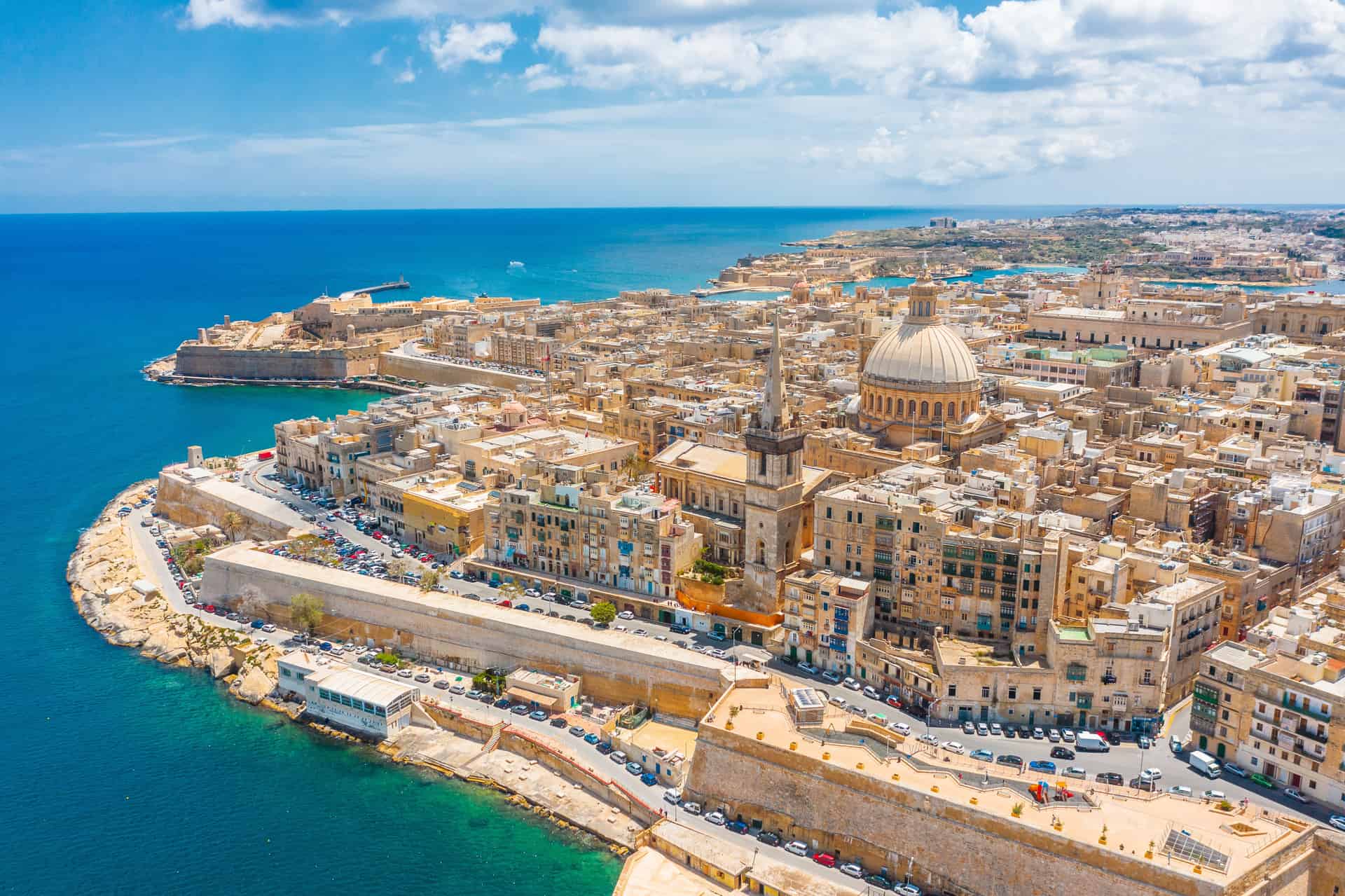
Since there is so much to see in Valletta, I’ll introduce you to my three personal highlights:
St. John’s Co-Cathedral
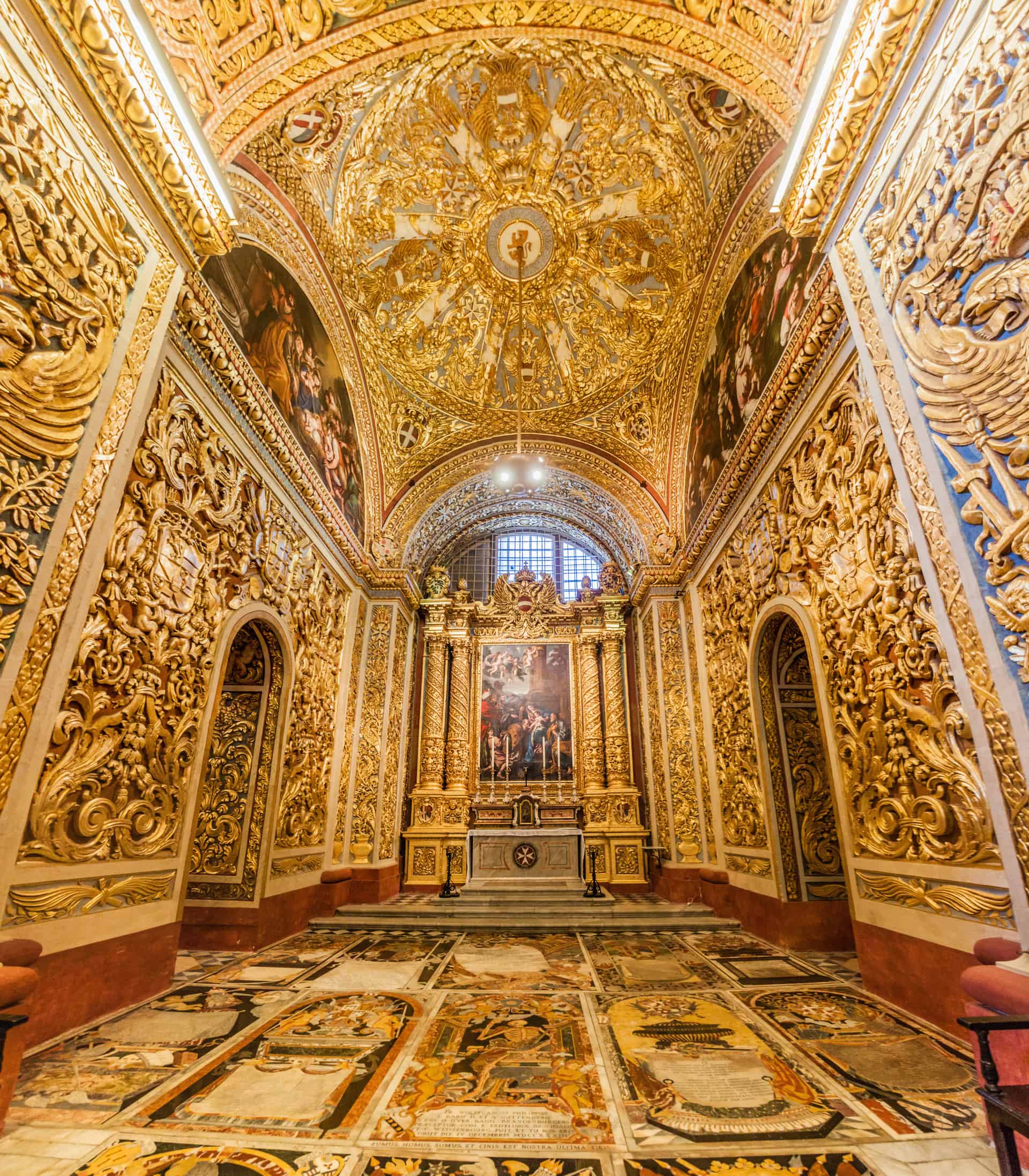
St. John's Co-Cathedral is an imposing church built between 1573 and 1578. While it looks relatively plain from the outside, the interior is truly magnificent. The ceilings are adorned with massive paintings. On the floor, you’ll find over 400 intricately decorated tombstones commemorating the Knights of the Order of St. John. Anything not painted is covered in gold leaf. It’s hardly surprising, given that the interior decoration took nearly 100 years to complete.
The cathedral is open to visitors Monday to Friday from 09:30 to 17:30 (entrance fee applies). On Saturdays, it closes at 12:00.
Upper Barrakka Gardens
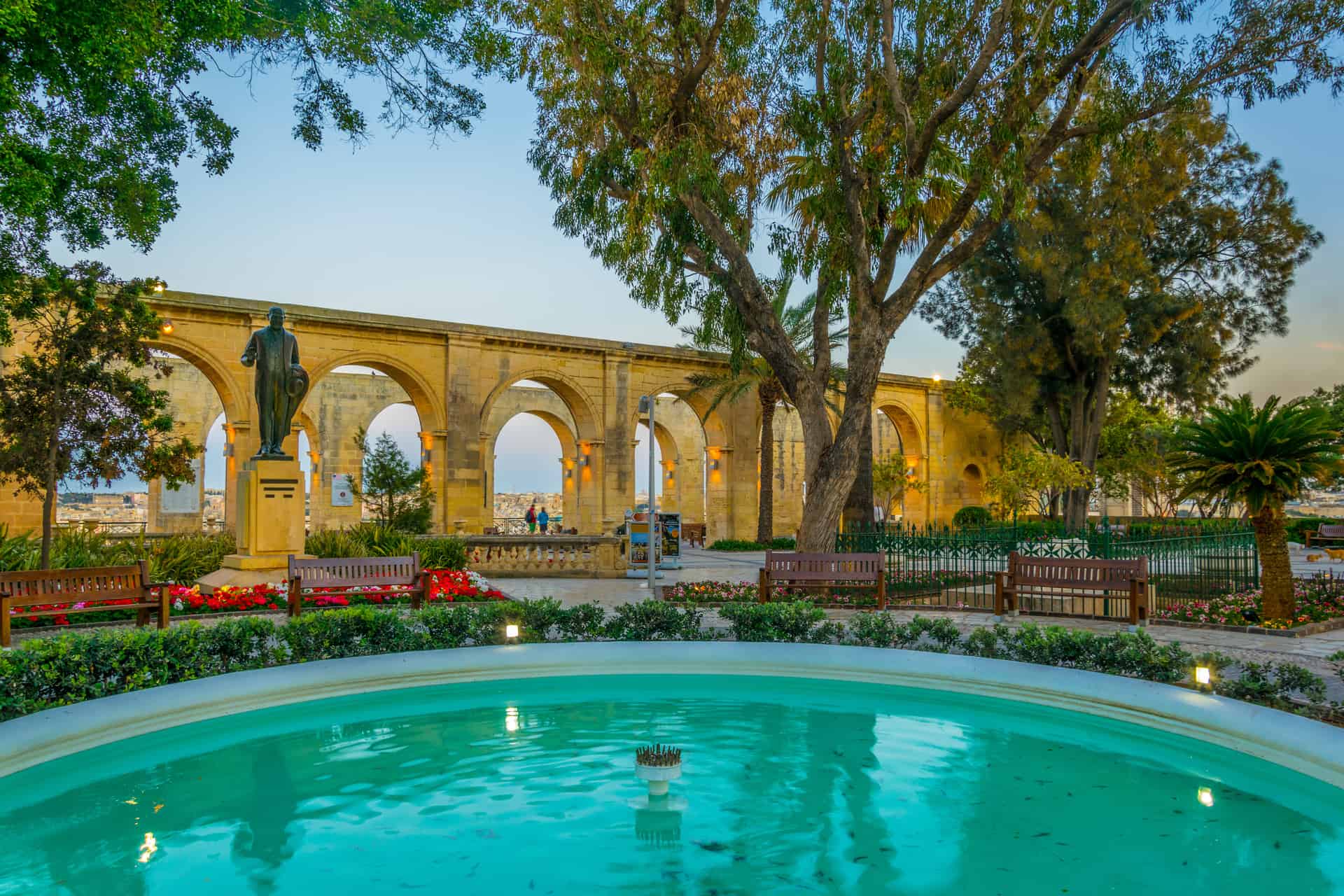
The Upper Barrakka Gardens are definitely among the top sights in Valletta.
Laid out in the 17th century, these grounds were originally a private garden for the Knights of St. John before being opened to the public in 1824.
Besides various plants and trees, you’ll find busts and statues of personalities who shaped Malta's history.
If you visit the Barrakka Gardens, I recommend taking a break at the kiosk to enjoy a coffee along with the breathtaking view.
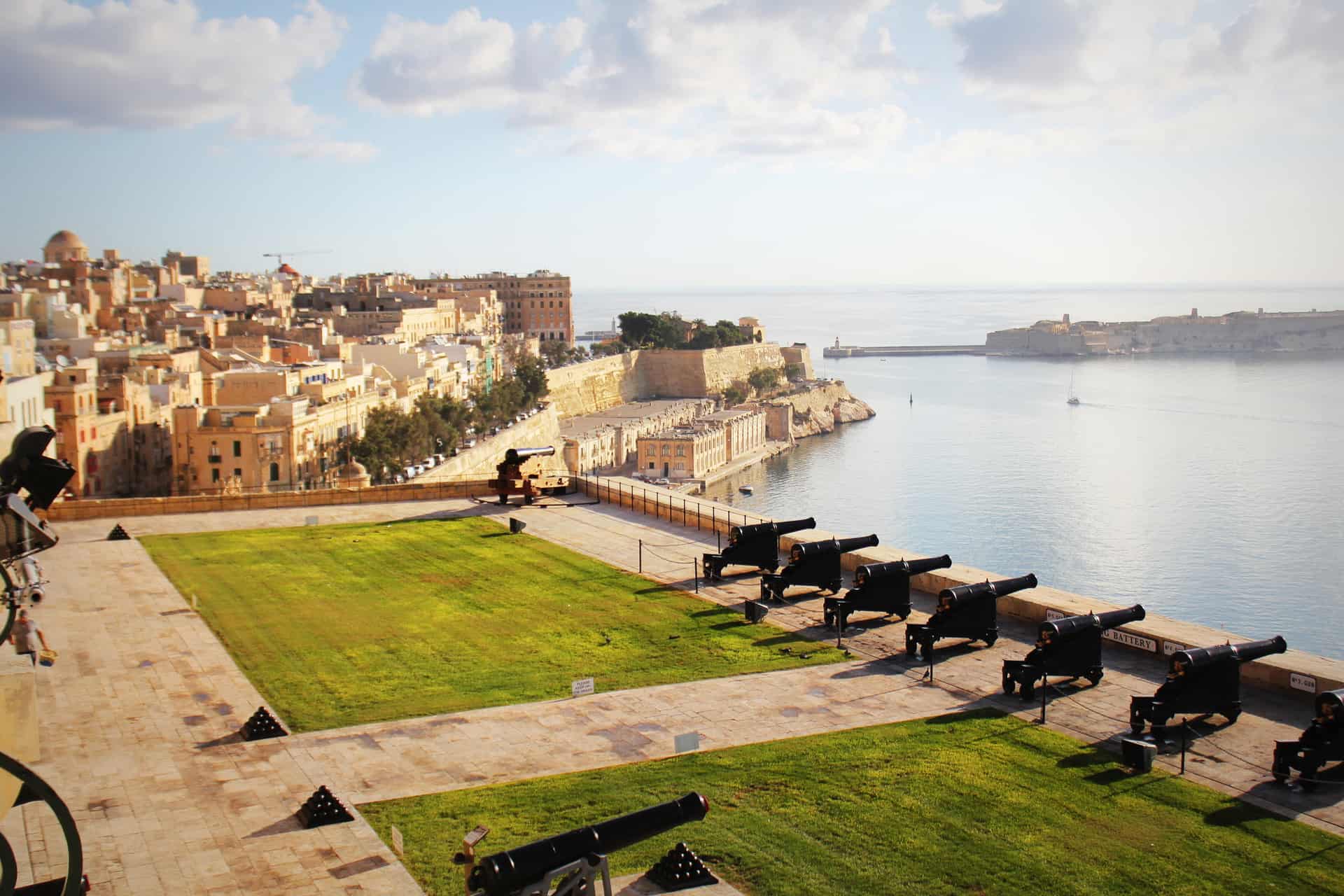
The stylishly landscaped park is famous less for its greenery and more for its panorama. In my opinion, this is the best viewpoint in all of Malta. From the Upper Barrakka Gardens, you can look out over the Grand Harbour to the Three Cities (Vittoriosa, Senglea, and Cospicua), the large shipyard, and the Valletta Waterfront.
Below the park, on the Saluting Battery, you can see a row of cannons where a shot is fired twice daily (at 12:00 and 16:00).
At the Upper Barrakka Gardens, you’ll also find a panoramic lift that takes you down to the Valletta Waterfront, where the large cruise ships dock.
The ride down is free, though you pay a small fee to go back up.
Tip: Down at the waterfront, you can buy boat tickets to the Three Cities for around €2.80 per person.
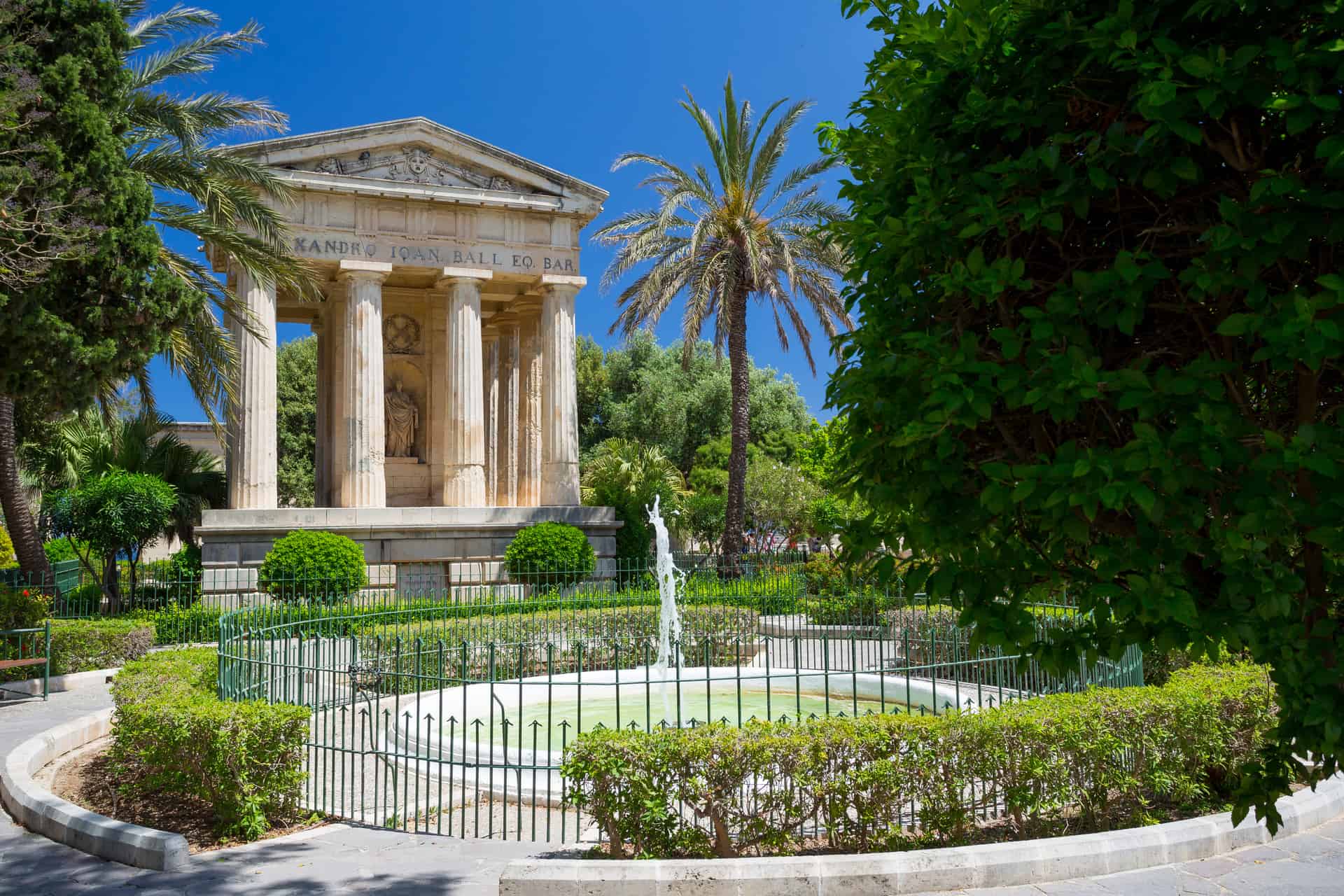
By the way, Valletta also has the Lower Barrakka Gardens. They aren't as famous, but they are equally worth seeing and occasionally host concerts and events.
The City Walls of Valletta
To better protect Valletta after successfully repelling a Turkish attack in the 16th century, the city was fortified with imposing walls and a city gate, the appearance of which has changed over the years. Thanks to these walls, Valletta is considered one of the most fortified cities in the world.
Tip: Take one of the staircases down to the sea and walk along the path that hugs the coastline. The route takes you all the way around the tip of Valletta and offers fantastic views.
Other sights in Valletta:
- Grandmaster’s Palace
- The Triton Fountain (located directly at the bus terminus)
- Republic Street and Merchant Street for shopping
- The Manoel Theatre: one of the oldest theatres in Europe
- Fort Saint Elmo: Houses the National War Museum
- National Museum of Fine Arts (MUŻA)
#2 Must See Malta: The Three Cities
The Three Cities—often called "the little Valletta"—sit directly opposite the capital and consist of Cospicua (Bormla), Vittoriosa (Birgu), and Senglea (L’Isla).
The big advantage of the Three Cities is that they aren't quite as well-known as Valletta, meaning fewer tourists crowd the streets during peak season.
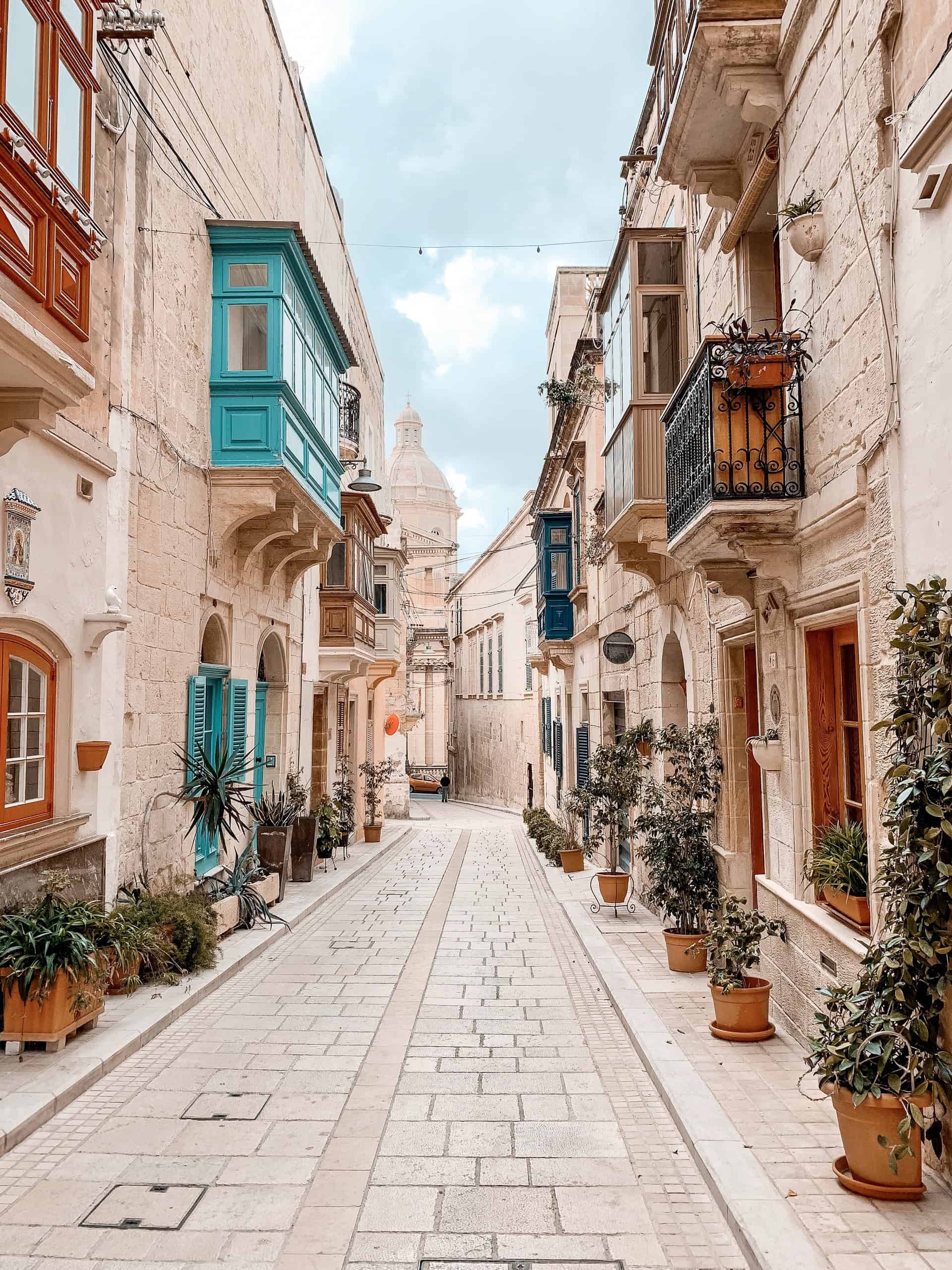
You can explore these cities on foot or in a more modern way, for example with Rolling Geeks (http://www.rolling-geeks.com/) or a Hop-On/Hop-Off bus. The advantage of the small electric Rolling Geeks cars is that you see more since you can cover greater distances. Occasionally, you can hop out and explore the small, winding alleyways on foot. The Three Cities feel very authentic and well-preserved, offering a glimpse into the daily life of the Maltese. You can also trace the history of the Great Siege and visit fortifications and forts. Last but not least, the view of Valletta from here is spectacular and worth the trip alone.
Here are the highlights of each city for you:
-
Cospicua (Maltese: Bormla) Here you have the chance to experience Malta in its most original form.
-
Vittoriosa (Maltese: Birgu) Vittoriosa offers the most sights: Besides churches, you can visit the massive Fort St. Angelo, the Inquisitor’s Palace, or the Malta Maritime Museum.
-
Senglea (Maltese: L’Isla) The Safe Haven Garden at the tip of the city offers one of the best views looking back at Valletta.
#3 Must See Malta: Mdina
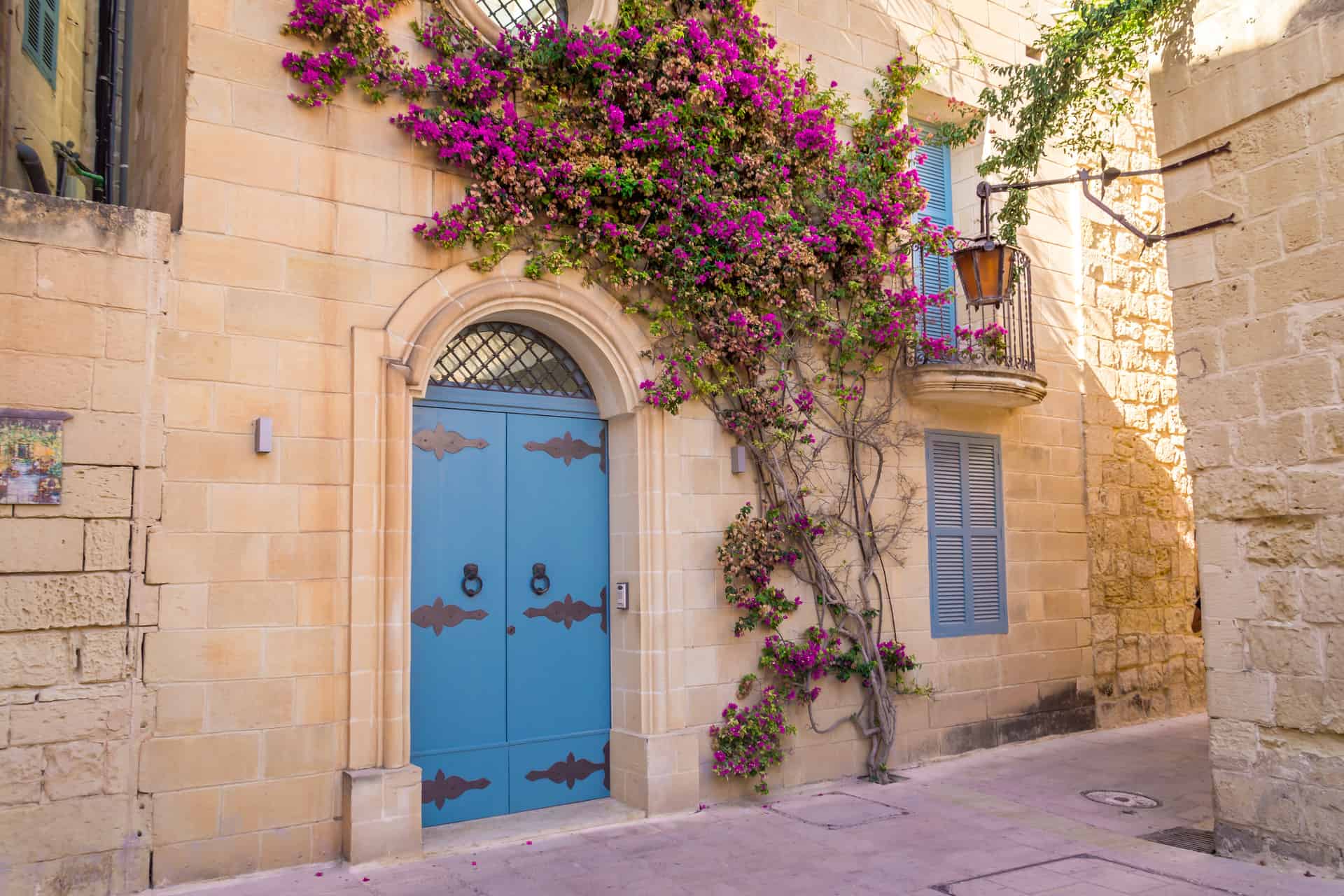
Mdina, the 4,000-year-old former capital of Malta (until the 16th century), translates to "walled city" and is located inland. Mdina is considered one of the most beautiful places on the island and is also known as the "Silent City" because it’s mostly visited by day-trippers and there are (almost) no cars allowed inside. Incidentally, the old city served as a filming location for Game of Thrones (King's Landing) in the first season. Interestingly, Mdina's streets were laid out like a labyrinth to confuse enemy attackers in the past.
Highlights in Mdina
- Mdina Gate: This imposing city gate is one of the most photographed spots in Malta and appeared as the gate to King's Landing in Game of Thrones.
- Bastion Square: Here you have a fantastic view over Malta. From the northern wall, you can see across the entire northern part of the island. A few metres away you'll find the Fontanella Tea Garden, where you can get excellent coffee and cake while enjoying the view.
- St. Paul's Cathedral and Museum: The museum houses artworks by Dürer and Rembrandt, a coin collection spanning 2,000 years, tombs, and liturgical objects.
- Palazzo Falson: An old city palace filled with paintings, furniture, jewellery, carpets, and armour, now operating as a museum.
- Mdina Dungeons Museum: Take a tour through the dungeons beneath Vilhena Palace. You’ll see hidden passages, chambers, and cells.
- The Mdina Experience: Take an unforgettable 30-minute journey through time and dive into Malta's history, reliving Mdina's 7,000 years of triumphs and tribulations.
- The Carmelite Priory: The only monastery in Malta open to the public.
#4 Must See Malta: Marsaxlokk
Marsaxlokk is undoubtedly worth a visit. In this picturesque fishing village, you can expect to see many colourful fishing boats (called Luzzu) in all sizes. The harbour is a real paradise for photographers—everyone gets their money's worth here.
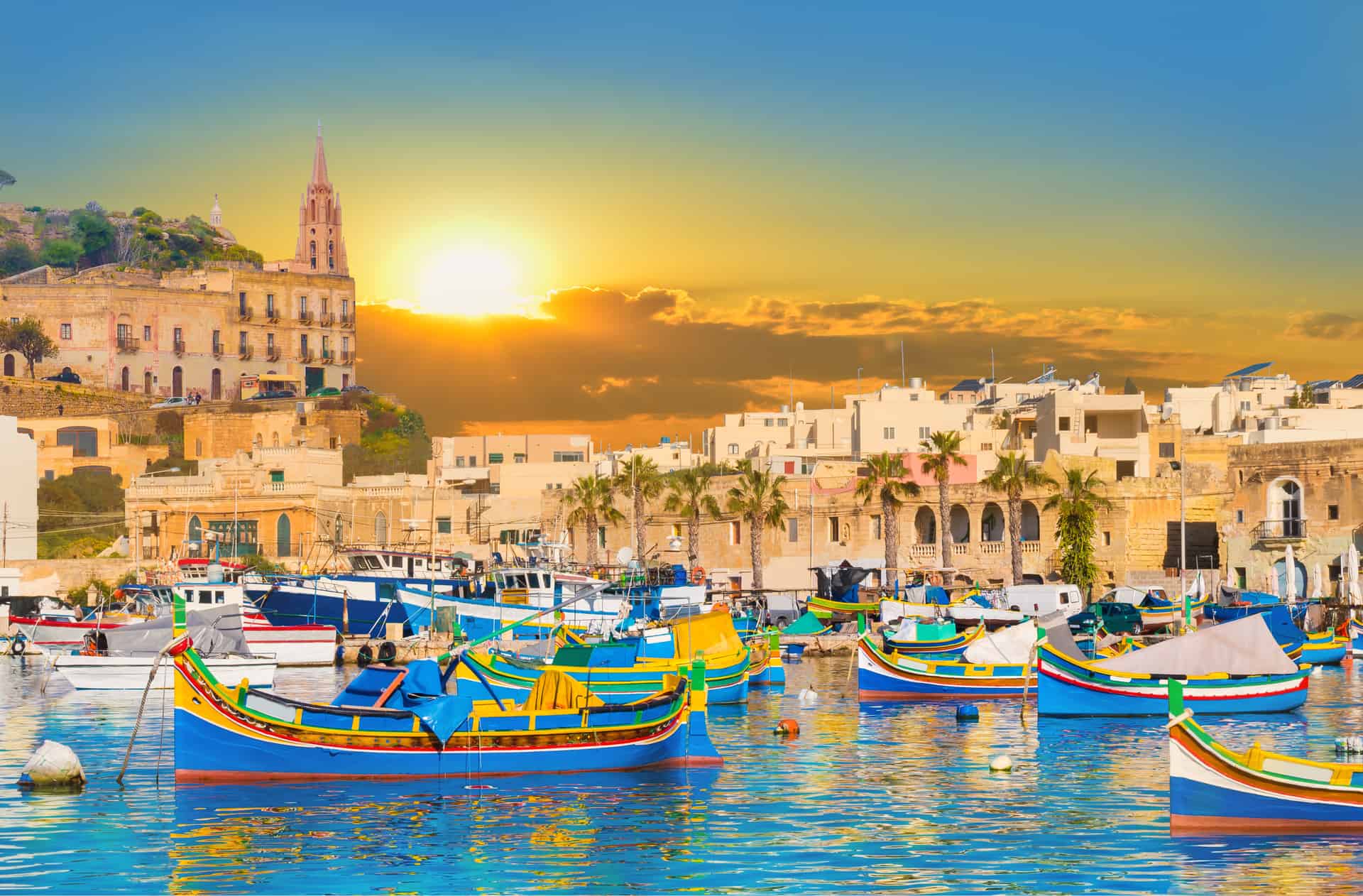
Along the harbour promenade, there are many restaurants specialising in fresh, delicious fish.
Every Sunday, a traditional market takes place here. While it started as a fish market, you'll now find plenty of stalls offering souvenirs in abundance alongside the fresh catch.
#5 Must See Malta: St. Peter’s Pool
St. Peter’s Pool
St. Peter’s Pool is a natural swimming pool with turquoise water carved out by erosion. This attraction attracts mostly young people who enjoy jumping into the water from the cliffs. But snorkelling enthusiasts will also love it here: along the bay, you can find colourful schools of fish that are clearly visible through the clear turquoise water.
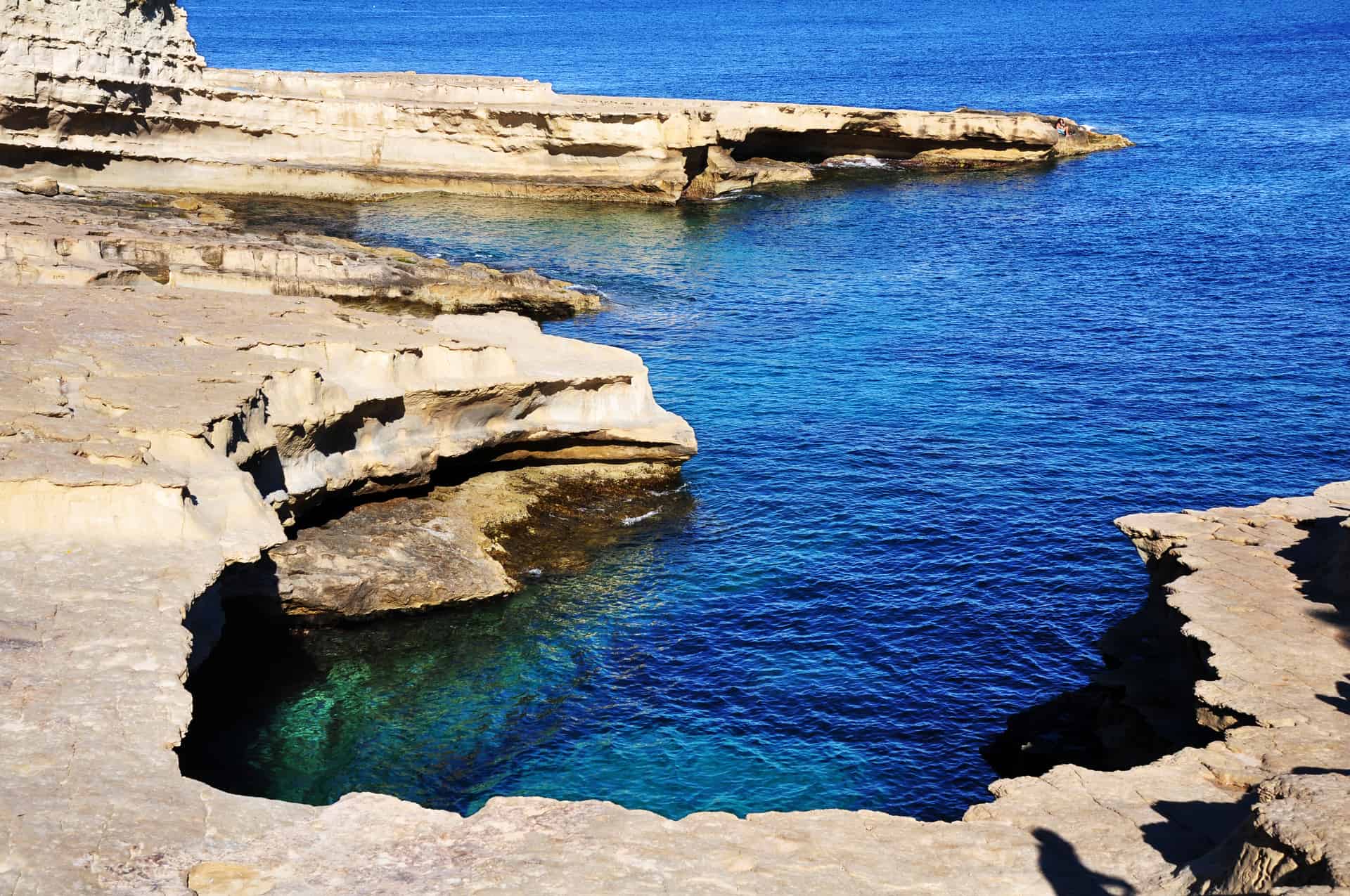
If you plan to visit with small children or a dog, I recommend arriving early and bringing a parasol, as there is unfortunately almost no shade at this spot.
Il-Kalanka Bay
Insider Tip: In summer, St. Peter's Pool can get overcrowded. If you want a bit more privacy, drive a little further down the road to Il-Kalanka Bay. This bay is every bit as beautiful as St. Peter’s Pool, with stunning water and opportunities to jump in.
#6 Must See Malta: Dingli Cliffs
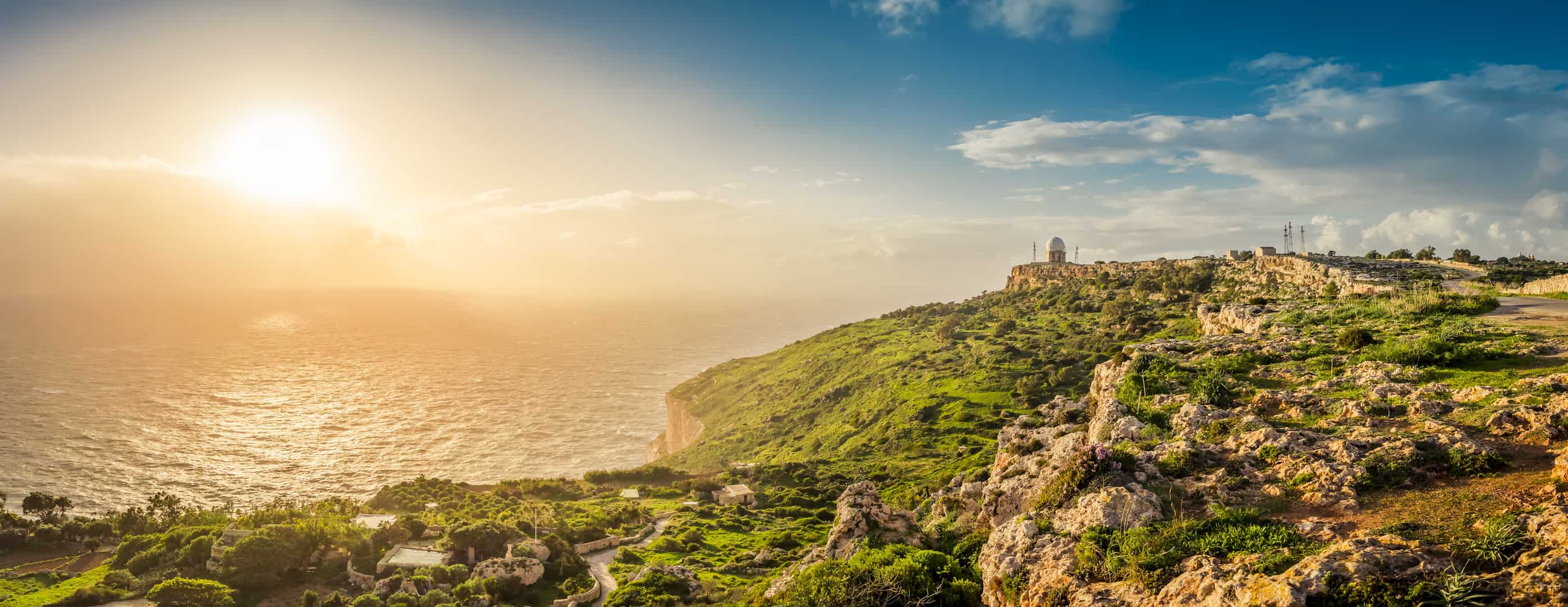
As I mentioned in the introduction, there are countless hiking routes along the coast in Malta. I particularly recommend these hikes in winter and spring. The temperatures are optimal, and everything is green. In my opinion, the most beautiful hikes on Malta are found stretching from the Dingli Cliffs all the way to the Blue Grotto.
Located slightly north of the Blue Grotto, the Dingli Cliffs sit 250 metres above sea level, making them the highest point in Malta.
If you enjoy hiking, I highly recommend the entire route from Dingli Cliffs to the Blue Grotto. This area is one of the most famous and scenic hiking routes on the island.
Sometimes the trails aren't easy to find, so for beginners, I recommend a guided hike. Facebook groups like @MaltaHiddenWalks or @WalksAroundMaltaGozo offer regular routes led by experienced hikers that you can join. Alternatively, you can buy a guidebook or get inspiration from hiking recommendations on YouTube.
By the way: The sunsets at Dingli Cliffs are particularly spectacular!
#7 Must See Malta: Gozo and Comino
Gozo and Comino are Malta's sister islands, which you can easily visit by ferry or boat.
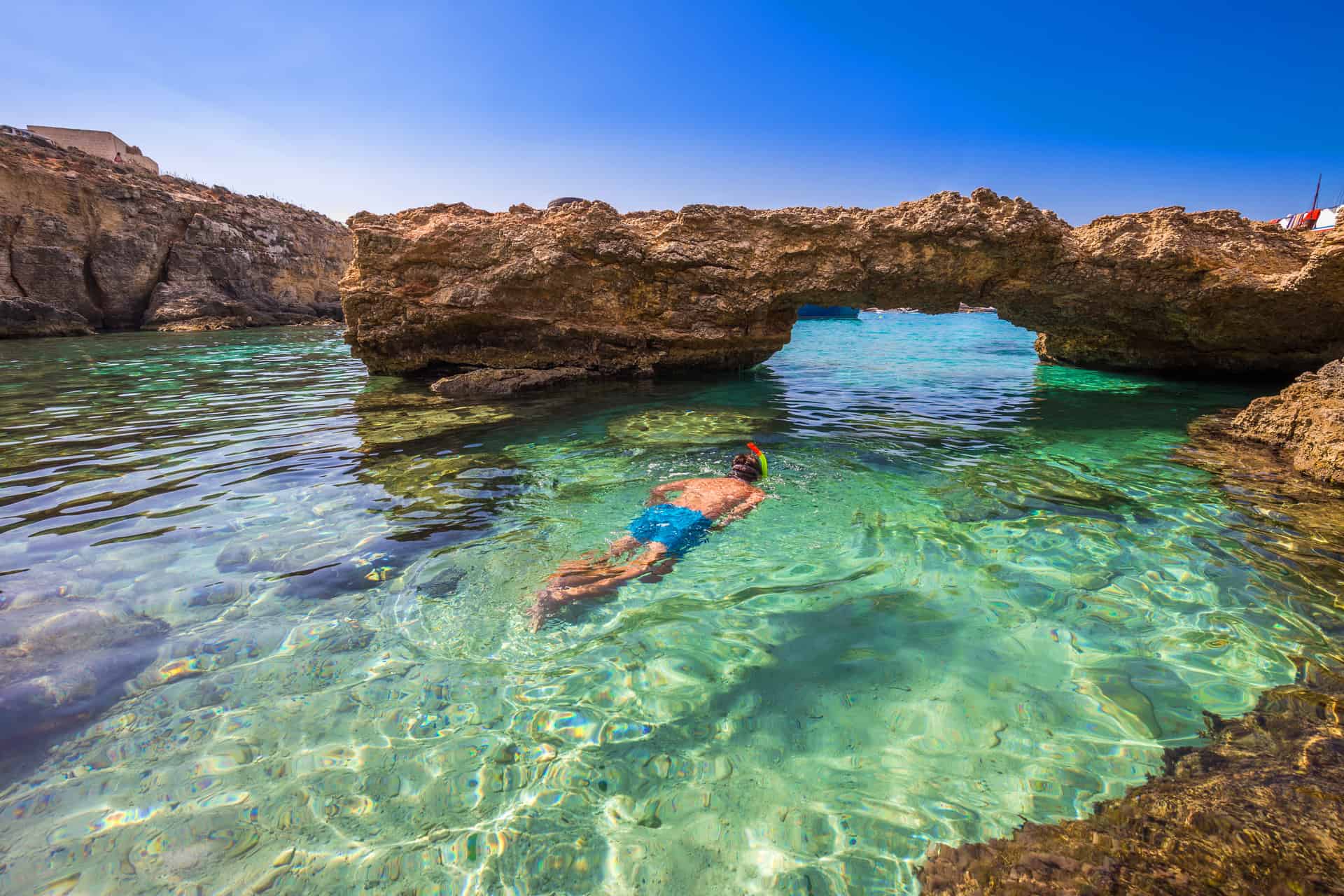
While Gozo is a functioning island with its own cities and distinct charm, Comino is largely a destination for day-trippers wanting to swim in the turquoise waters of the Blue Lagoon.
Comino
Comino is a tiny island situated between Malta and Gozo. It is famous for the Blue Lagoon, which boasts breathtaking turquoise water. Comino is one of the most popular sights in Malta, so several boats dock here daily.
The boat trip to Comino is a highlight in itself—from the water, you'll see impressive bays, caves, and that stunning blue sea.
Highlights on Gozo
Victoria: A Medieval Hilltop City
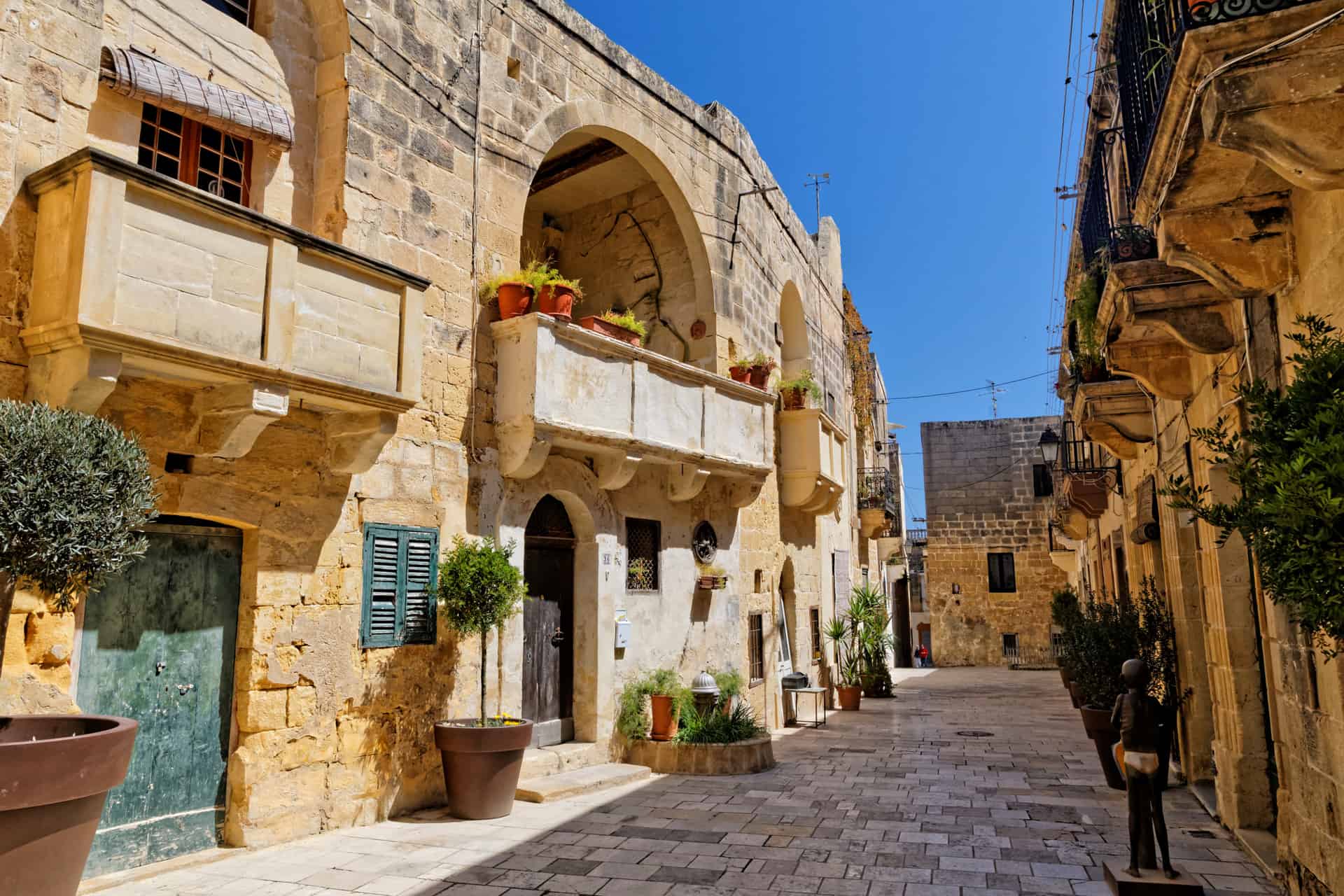
Victoria (Maltese: Ir-Rabat Għawdex) is the capital of Gozo. Here you will find plenty of shopping opportunities and lovely restaurants. In the centre, atop a hill, sits the medieval Cittadella. It shines impressively over the entire city and served as a refuge for Gozo's inhabitants for centuries. Inside the walls, it houses a cathedral, an old prison, archaeological sites, and offers a fantastic view over Gozo.
Azure Window (Ruins)
One of the most beautiful geological formations was the Azure Window near Dwejra Bay on Gozo. Sadly, it collapsed during a storm in 2017.
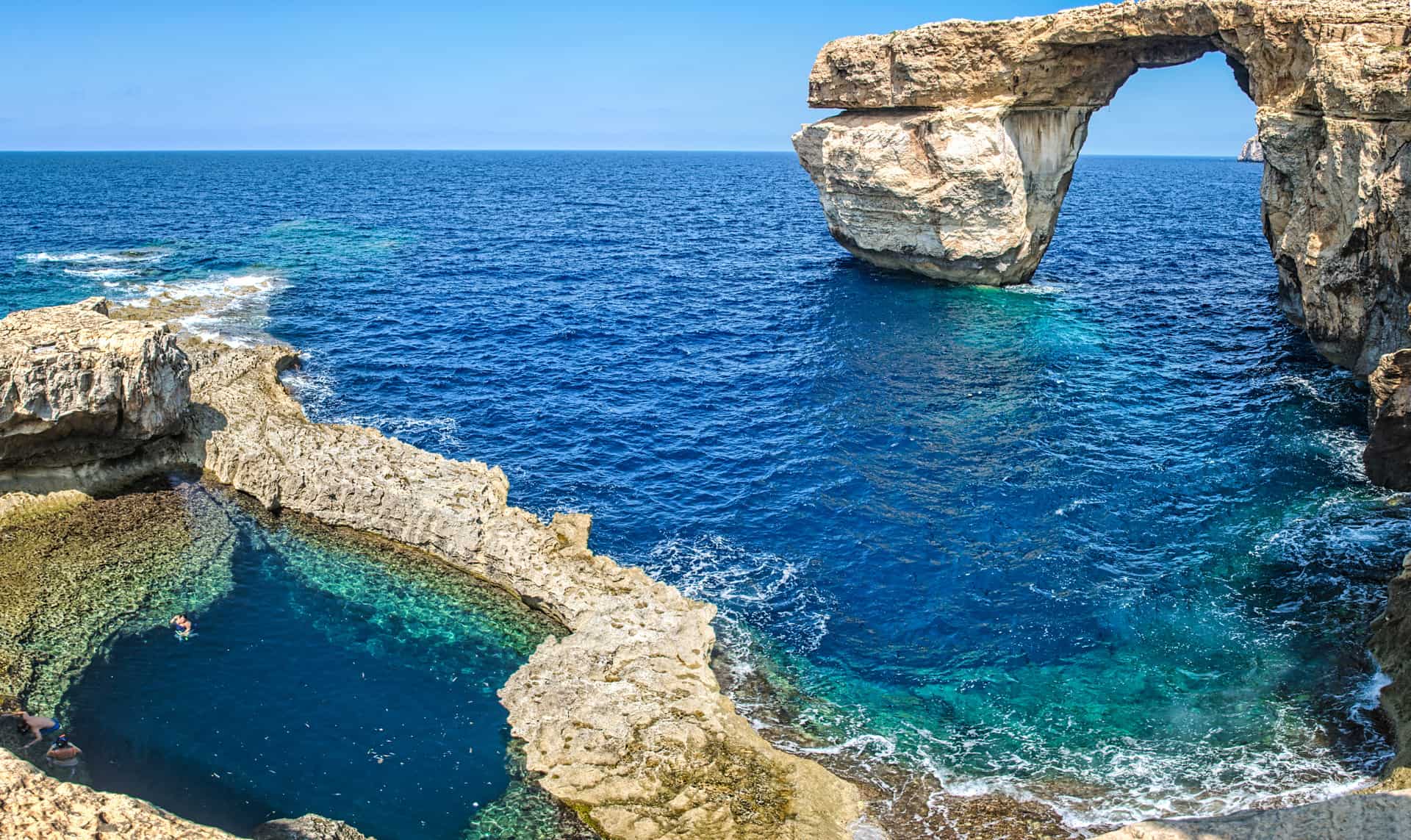
You can find a similar formation at the cliffs of Wied il-Mielaħ. This is also an insider tip for climbing enthusiasts.
The Blue Hole
Right in front of where the Azure Window used to stand is the next highlight: The Blue Hole. It is 15 metres deep, 10 metres wide, and connected to the open sea by an arch at a depth of 7 metres. The play of colours with various shades of blue is a must-see for every visitor!
Fungus Rock
Near the former Azure Window, standing in the open sea, is the 65-metre-high Fungus Rock. The rock became famous because a medicinal plant, the Maltese Fungus, was discovered growing on it—the only place it was found in all of Malta.
The area around this massive rock is just as worth seeing: you'll find a huge variety of fish here, making it one of the best diving spots in the Mediterranean.
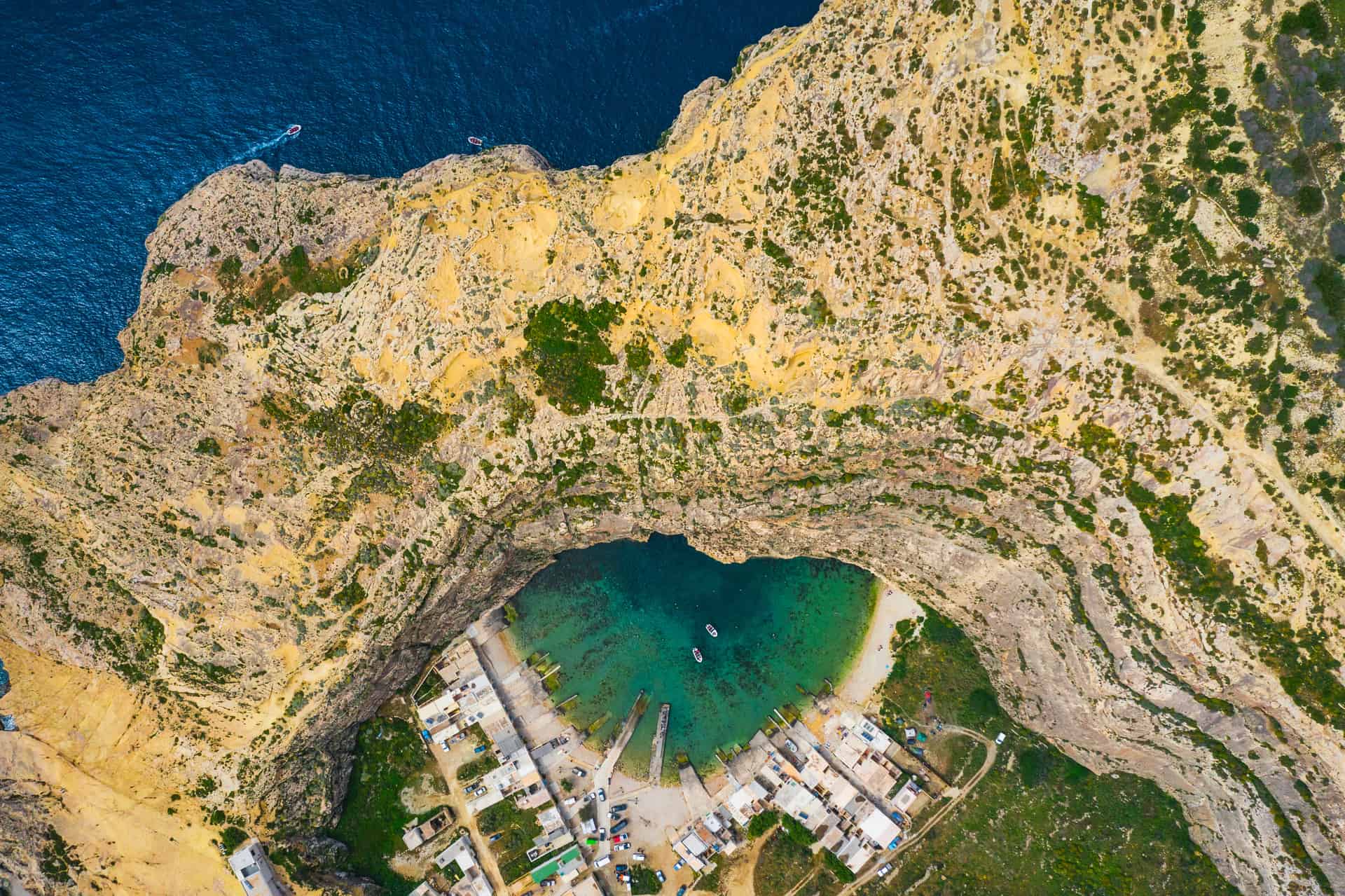
Inland Sea
The Inland Sea is a small lagoon connected to the open sea by a 100-metre-long tunnel through the cliffs. It's a true highlight for divers. If you aren't a fan of diving, you can take a small boat through the tunnel out into the open sea.
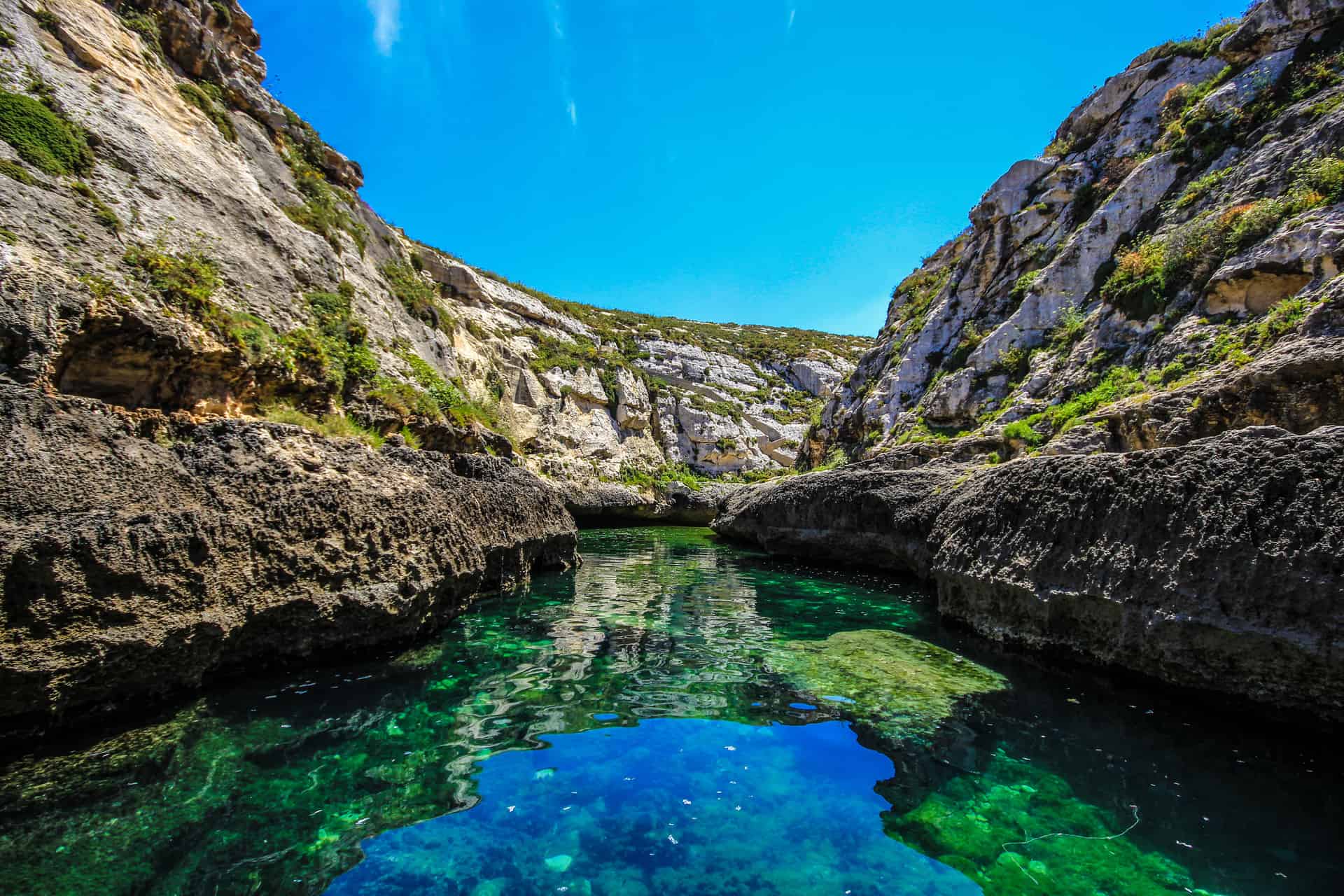
Ghasri Valley
Ghasri Valley is a narrow sea canyon, 250 metres long, hidden away on the outskirts of Ghasri in Gozo. At the end of the inlet, there is a tiny pebble beach. You can only reach the canyon on foot, so it combines perfectly with a short hike. In spring, the valley is particularly impressive as everything is in bloom and lush green.
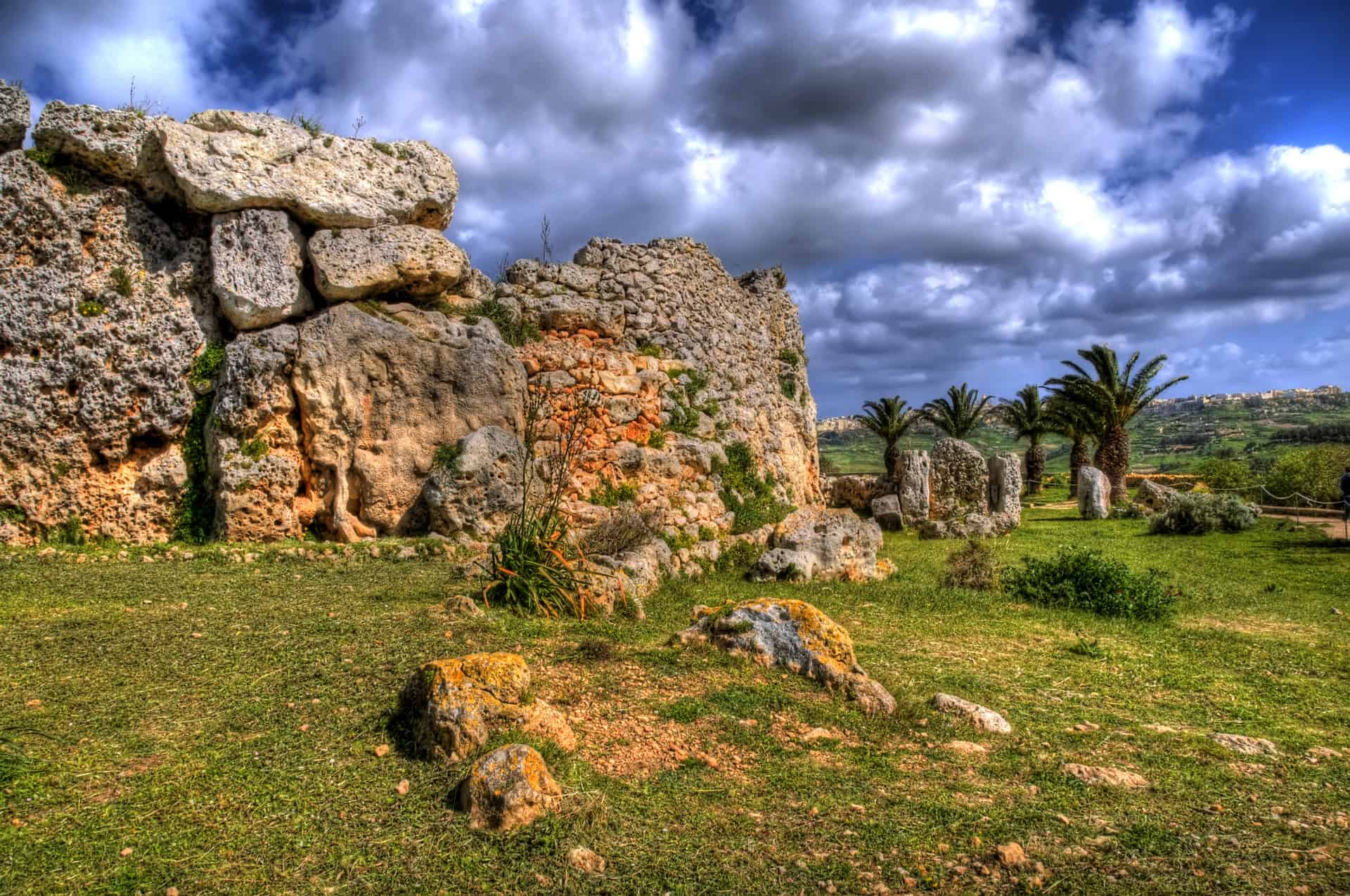
Ġgantija Temples
The Ġgantija Temples are located in the village of Xagħra, about 3 km from Victoria.
Dating back to before Stonehenge (3,200 BC), these temples are among the most significant archaeological sites on Gozo.
Ramla Bay (Ir-Ramla il-Ħamra)
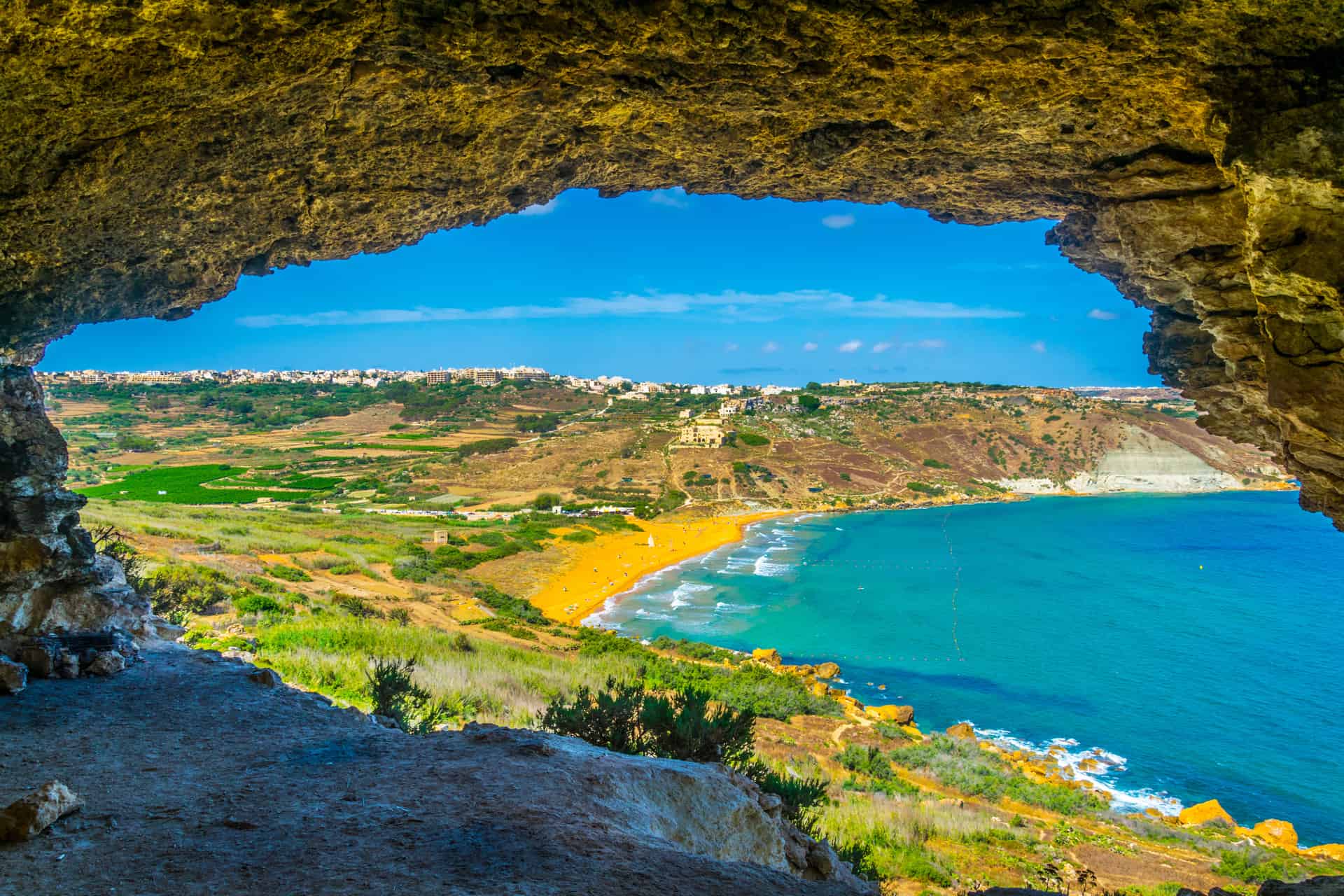
Ramla Bay is the largest sandy beach on Gozo, famous for its reddish sand. The beach lies protected in a bay surrounded by cliffs. The water here is very calm and ideal for swimming. You’ll also find public toilets, showers, changing rooms, umbrella and sunbed rentals, snack kiosks, and ice cream stands.
Ta’ Cenc Cliffs
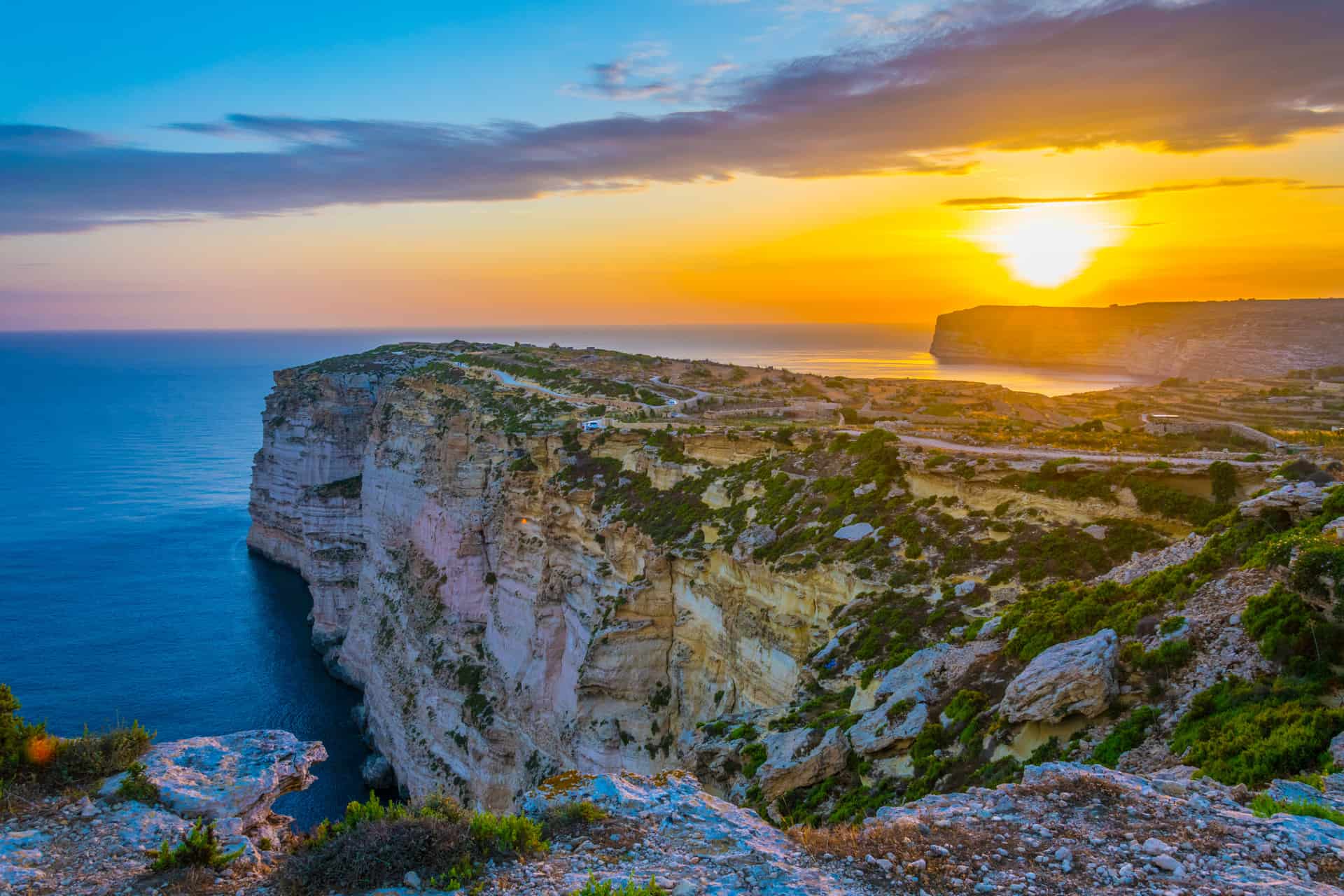
The Ta’ Cenc Cliffs are 130 metres high, making them the highest cliffs on Gozo. From the top, you have a breathtaking view of the Mediterranean and the green valleys of the island.
Salt Pans
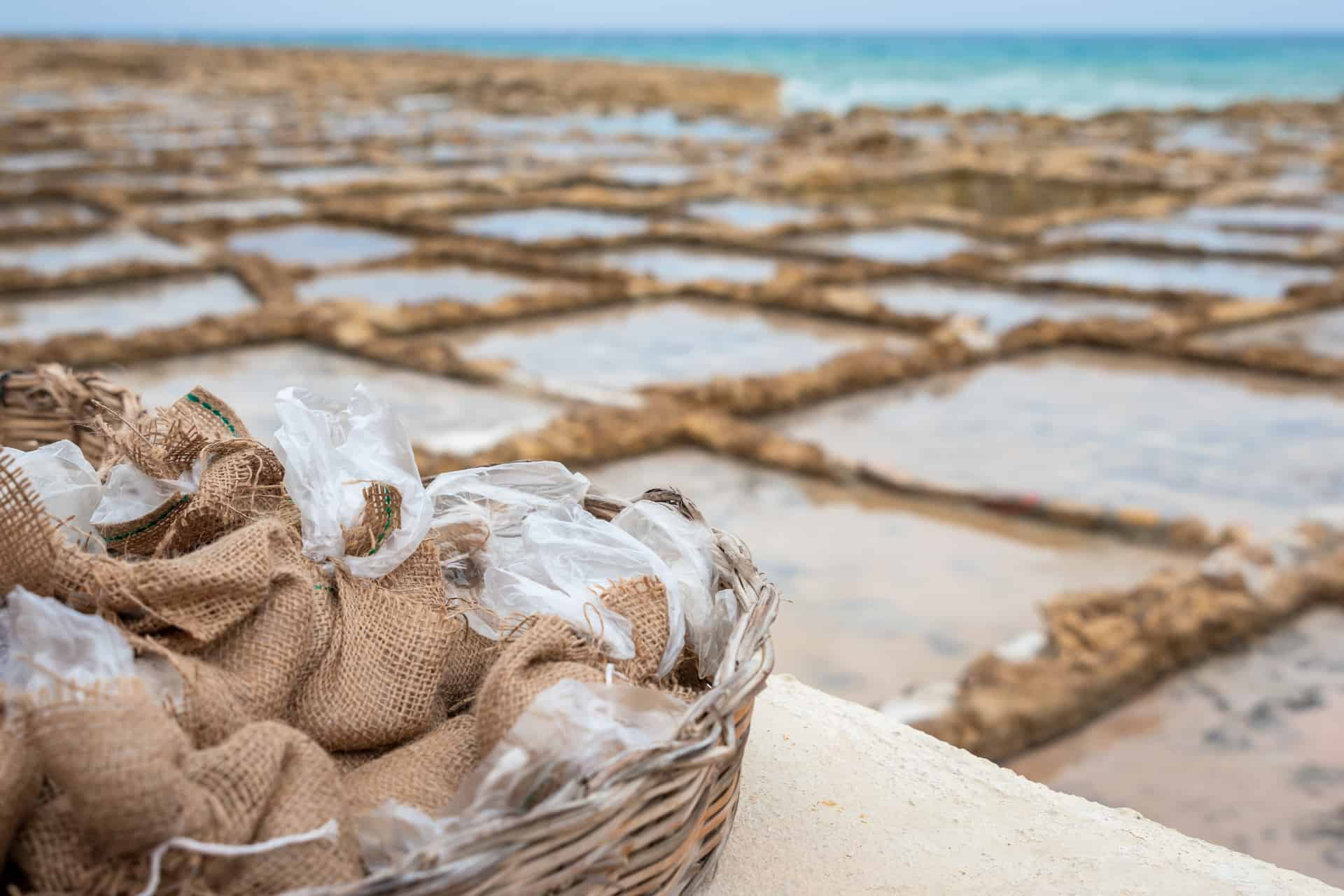
Another must-see on Gozo are the numerous salt pans located on the north coast. Some of these pans are still in use, and you can see exactly how sea salt is harvested.
Other sights on Gozo:
- The Qolla l-Bajda Battery fortification
- St. George’s Basilica
- The seaside resort of Marsalforn
- The coastal village of Xlendi
- The Tal-Massar Winery
- The Basilica of the National Shrine of the Blessed Virgin of Ta' Pinu
- Gozo’s largest church, the Xewkija Rotunda
- The small beach at Mġarr ix-Xini
- Calypso Cave (named after Homer's Odyssey)
- The Dwejra Watchtower
- The private estate Ta’ Mena
Did you know? Many Maltese locals have a second home on Gozo and spend their holidays and weekends there.
#8 Must See Malta: Blue Grotto
Another highlight on the island is definitely the massive natural rock arch in the south of Malta, known as the Blue Grotto. From the viewpoint above, you have a beautiful view of the cliffs and the imposing natural arch.
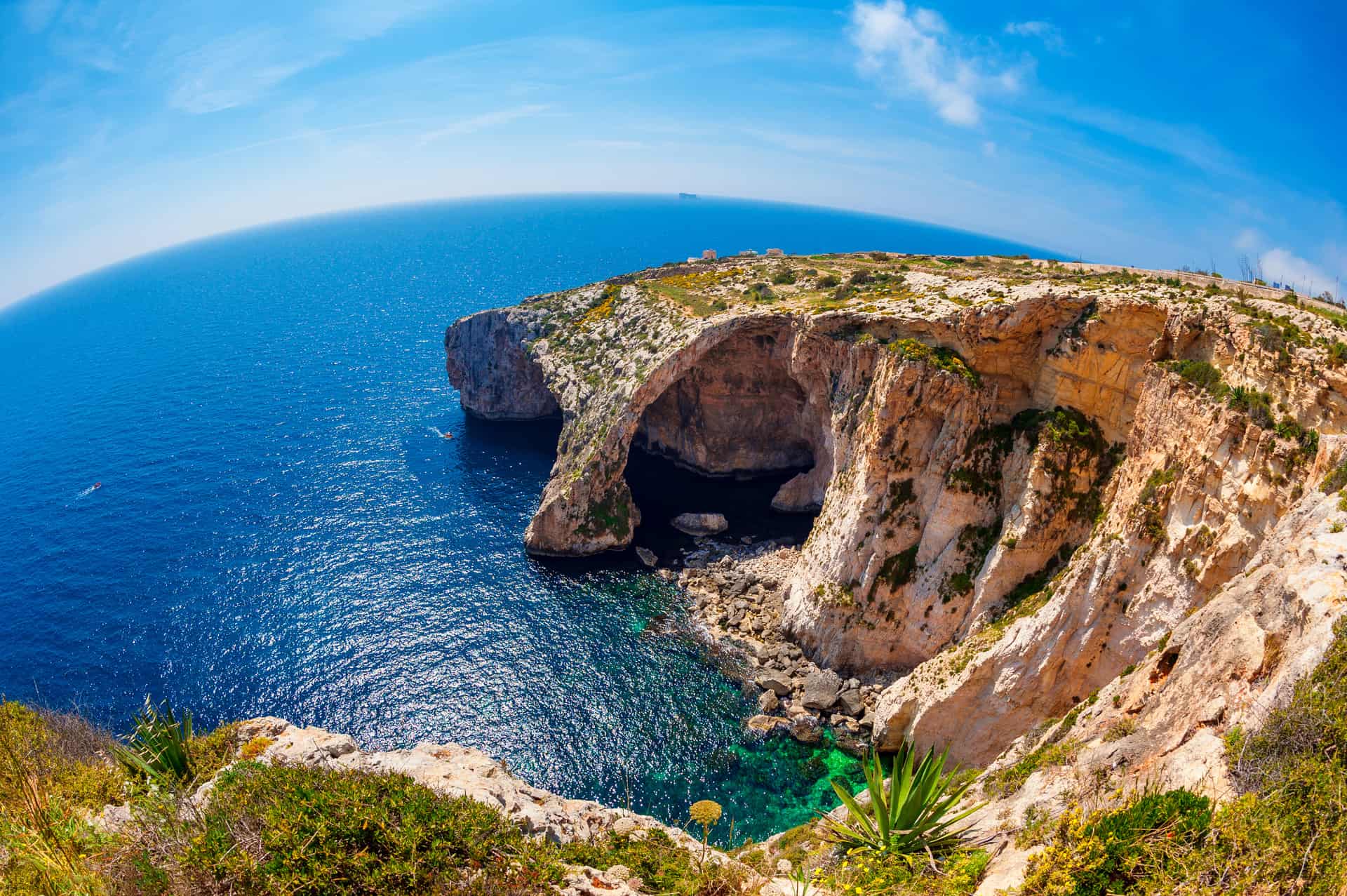
Tip: Even more impressive is a boat trip into the Blue Grotto itself. Boats leave about every 15 minutes from the harbour in Wied iż-Żurrieq (Qrendi). On the 20-minute ride, you'll see not just the main arch but also many smaller caves that are part of the complex.
Tip for adrenaline junkies: If you like a thrill, you can even abseil down into a boat from a height of 60 metres.
#9 Must See Malta: Popeye Village
Popeye Village was built in 1980 as the film set for the movie Popeye and is located in the northwest of Malta, near Mellieħa.
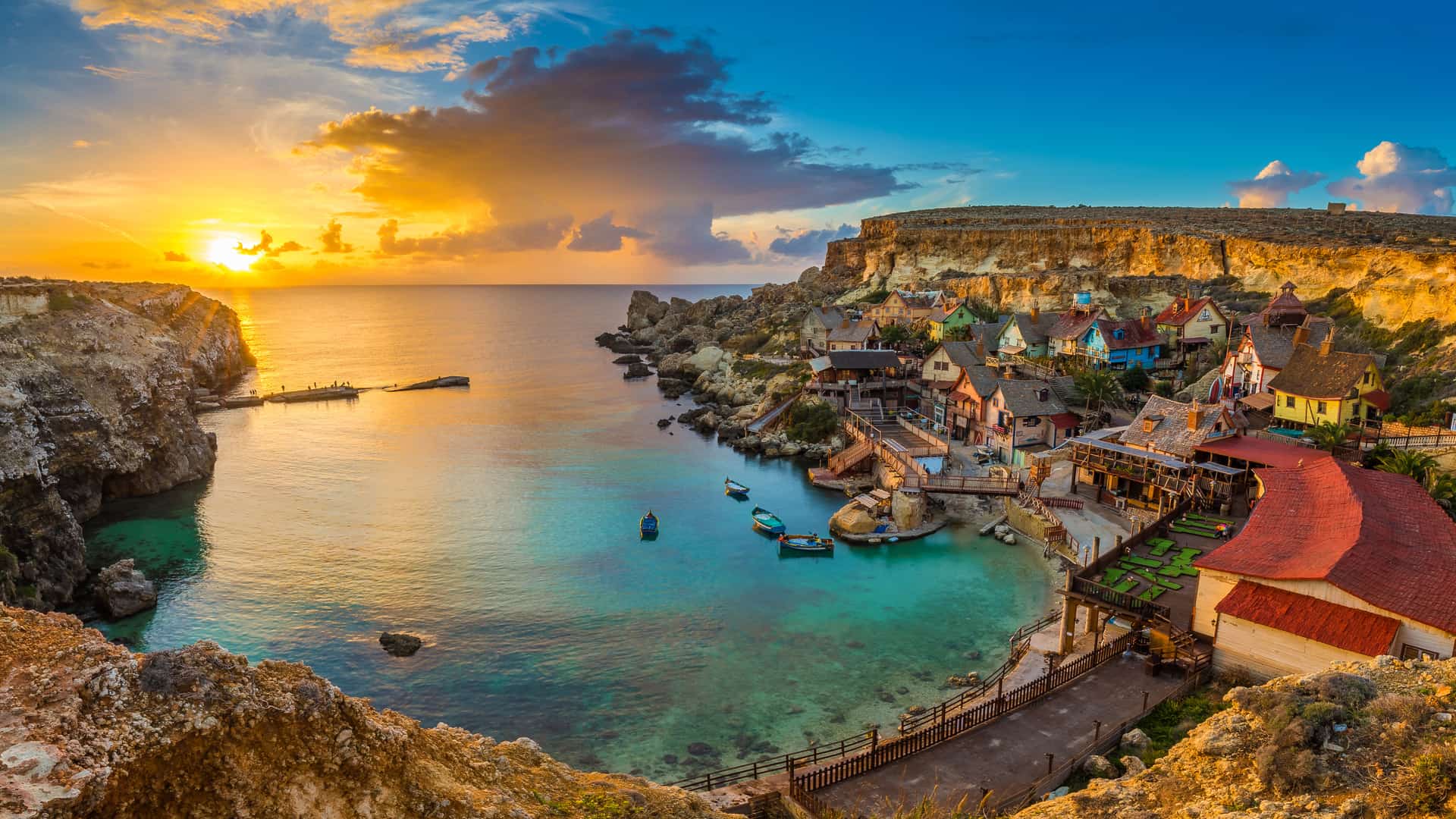
Visiting this colourful village is a must if you have children. Kids can discover characters from the film and even play the role of Popeye in a specially made movie. The village also features shops, trampolines, and restaurants. It’s an absolute paradise for families.
Tip: I recommend a hike along the cliffs opposite Popeye Village—from there you get an unforgettably beautiful sunset and the best view looking back at the village!
#10 Must See Malta: Boat Tour or Kayak Tour
Everyone who has taken a boat tour around Malta says the same thing: Malta looks completely different from the water than it does from land.
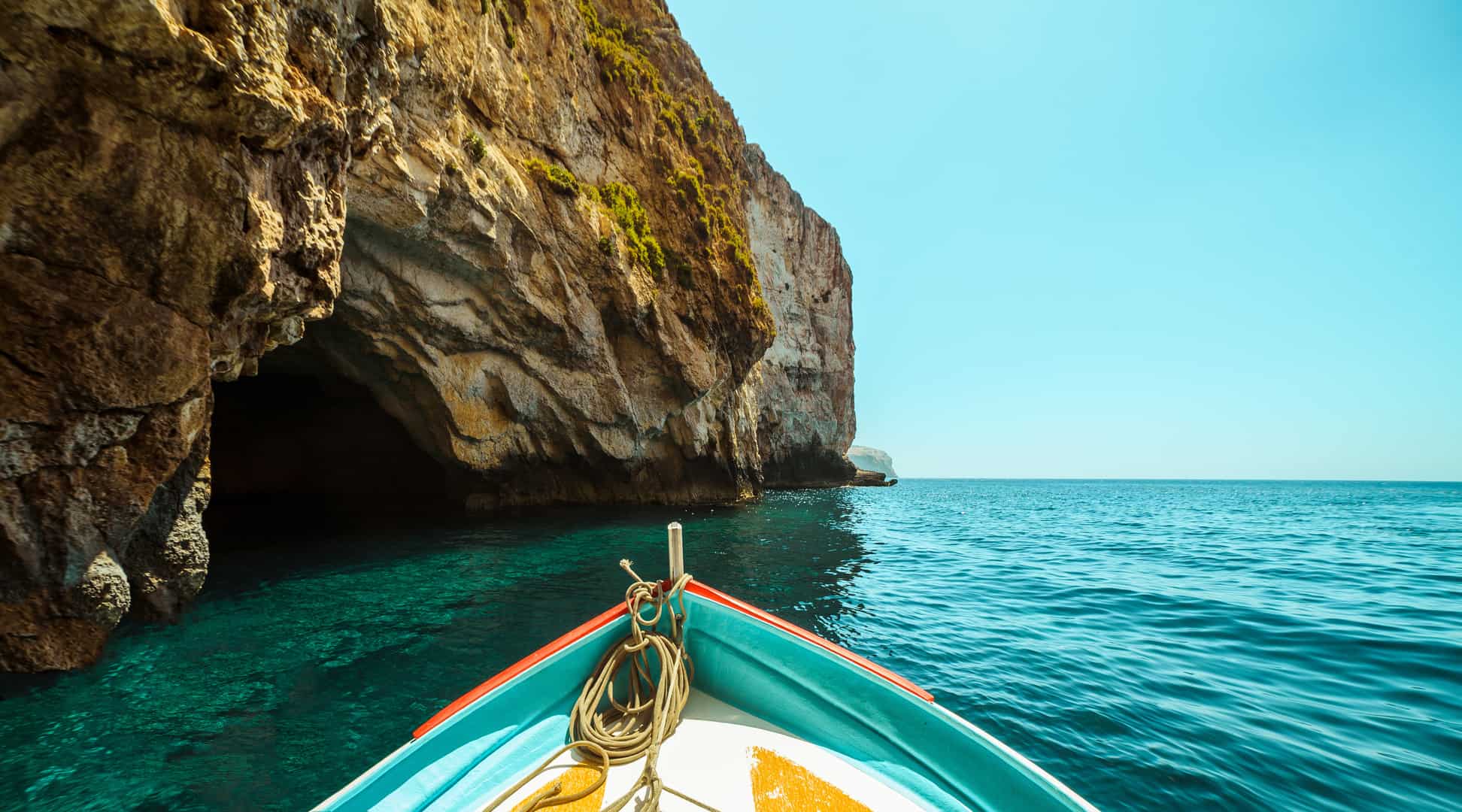
That’s why my advice is: Rent a boat or a kayak and travel along Malta's coast. You will find many beaches surrounded by cliffs that are inaccessible from land, where you can relax in peace. This is also ideal for divers.
Of course, there are many more attractions in Malta worth seeing. With this overview, I just wanted to give you a glimpse into the variety the island offers. I hope you enjoyed this list and that you can't wait to discover the beauty and diversity of Malta for yourself.
Disclaimer: The content of this article is for general information purposes only and does not constitute tax, legal or financial advice. Despite careful research, we make no guarantee for the accuracy, completeness and timeliness of the information provided. Tax regulations are subject to constant change. For individual advice, please consult a qualified tax advisor. Use of the content is at your own risk.
Stay Informed
Receive our latest articles on international tax planning, relocation and company formation directly in your inbox.
No spam. Unsubscribe anytime.
